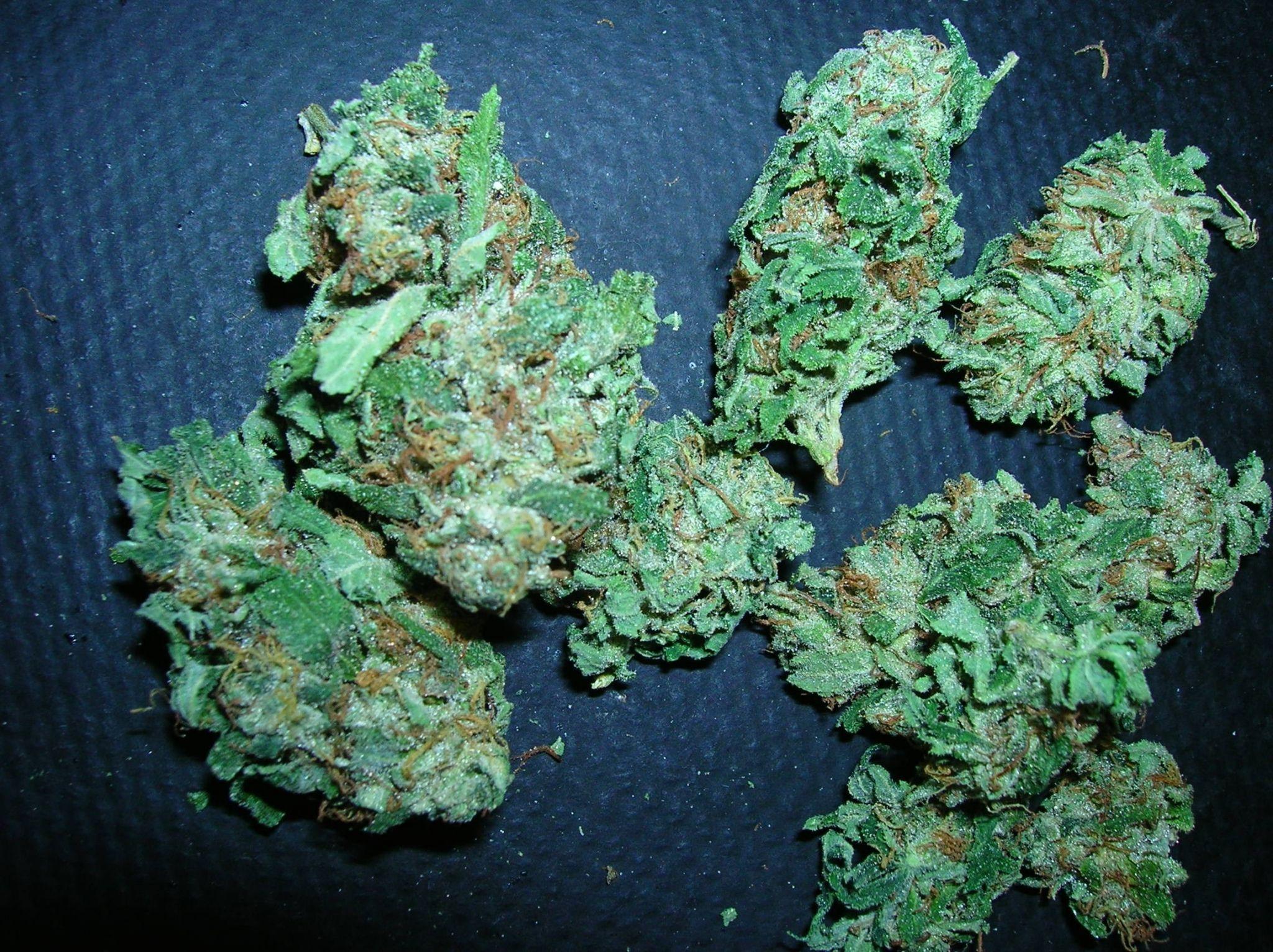
Indians love to get high on weed.
In 2018, the country’s two biggest cities, New Delhi and Mumbai, consumed 38.2 tonnes and 32.4 tonnes of marijuana, respectively—among the highest in the world.
| Top 10 cities by weed consumption in 2018 | ||
|---|---|---|
| City | Legality | Total consumption (tonnes) |
| New York, US | Partial | 77.4 |
| Karachi, Pakistan | Illegal | 42 |
| New Delhi, India | Partial | 38.2 |
| Los Angeles, US | Legal | 36 |
| Cairo, Egypt | Illegal | 32.5 |
| Mumbai, India | Partial | 32.3 |
| London, UK | Illegal | 31.4 |
| Chicago, US | Legal | 24.5 |
| Moscow, Russia | Legal | 22.8 |
| Toronto, Canada | Legal | 22.7 |
India’s stone affair
The cannabis plant is quite common in hilly states in India like Himachal Pradesh and Uttarakhand, even though its cultivation and trade are partially restricted.
Cannabis dominated India’s illicit drug trade, according to 2016 data on drug seizures.
Notably, India alone accounted for 6% of the world’s cannabis herb seizures in 2016 (nearly 300 tonnes), and even higher quantities in 2017 (353 tonnes)—a 20% per cent increase compared to 2016, as per the report by UN Office of Drugs and Crime.
The statistics have triggered attempts to make marijuana use legal. In fact, in 2015, a member of parliament pushed to legalise marijuana, citing the benefits of consuming weed. Besides, experts are also arguing that the step could help India in dealing with its agrarian crisis.
“Illegal cannabis use is so high in countries that still carry the death penalty, such as Pakistan and Egypt. Those in power ought to see how desperately new legislation is needed,” Uri Zeevi, CMO at Seedo, an Israel-based firm that sells devices to grow weed at home, said in the ABCD report. “By removing the criminal element from marijuana, governments will be able to more safely regulate the production, take away power from underground gangs, and as we’ve shown in this study, generate huge tax revenues.”
Legislation

Marijuana is not legal in India, however, it has is well circulated in Indian culture. It is now openly sold from houses, too. The reason is that they have the tacit approval of the local cops and even some politicians.
The law says it’s illegal, but that is probably due to their association with the United Nations, which at the insistence of a certain Mr Anslinger, signed a comprhensive drug law. Traditionally, India is very open to hash. Regardless it’s still illegal.
Personal use (in public places), would at the most result in a chalaan (bribe), or some money to buy the cop some juice. You’d have to be really not caring, like sitting in front of a movie theater and rolling a joint while people are walking by.
Law Enforcement
The police have very low interest in marijuana issues, they make no effort to stop cannabis related offences.
New Delhi Marijuana Prices

Marijuana and hashish are extremely cheap for western tourists in India. The prices vary significantly, but stay low in costs. The going rate is around 50 to 100 rupees (1$ – 2$) a tola (10gms) for weed in New Delhi. Hash ranges from 300 ($6) to 700 ($14) a tola (10gms).
If you do manage to get some cream (the best), get ready to spend atleast Rs1300, about $40 for a tola (10 grams). Others would start at Rs 200.
Brands
Marijuana flower sold in New Delhi is usually outdoor grown, with potency that will seem a bit weak for American tourists. However, the taste is great! Hashish in India is of much higher quality called malanacream