Disclaimer: Lost With Purpose does not condone dangerous drug use, nor breaking local laws. We do, however, find cannabis to be a marvelous plant.
Weed terminology in India 🍁
First off: if we’re going to talk weed, you need to know your slang!
-
- Baba: Slang for weed.
- Bhang: The cannabis plant. Also the edible form of cannabis, usually made from Indica strains. Think bhang lassi.
- Charras: Hashish, usually hand-rubbed in India.
- Chillum: Conical, pipe-like device used for smoking. Preparing a chillum is quite the process!
- Desi joint: Joint/spliff made using the body of a pre-rolled cigarette.
- Rizlas: Rolling papers. Rizlas can be found throughout the country, though king sized papers aren’t always easy to come by.
- Roach: End of a joint, as well as the word to use when looking for filter papers for rolling.
- Shiva: One of the major Hindu gods, often associated with cannabis. Followers of Shiva can imbibe cannabis legally, as it’s considered a way of worshiping the god.
- Stuff: Slang for weed.
- Tola: 10 grams.
When It Comes To Getting High, The World Comes To India To Try These Psychedelic Maals
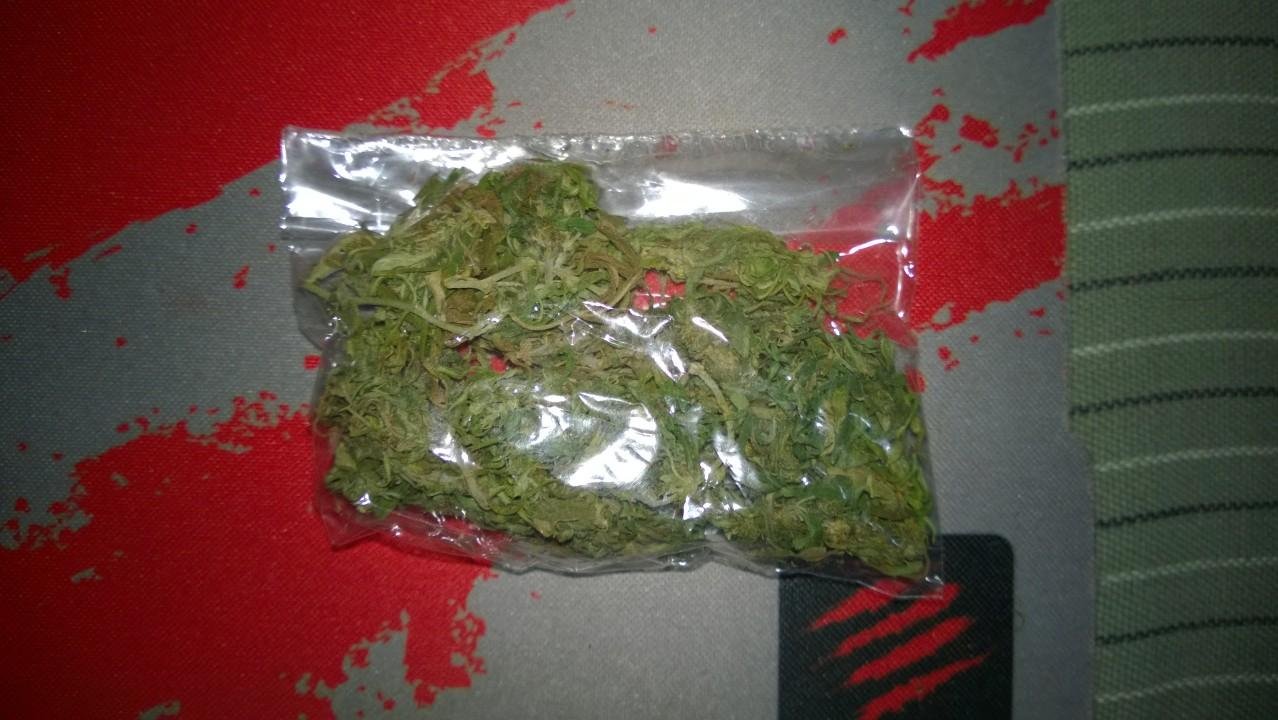
1. Mysore Mango, Karnataka
This is one of the best kinds of weed found in India today. Clean, green and practically seedless, it doesn’t actually taste like mango, but gives off the aroma of the King of Fruits.
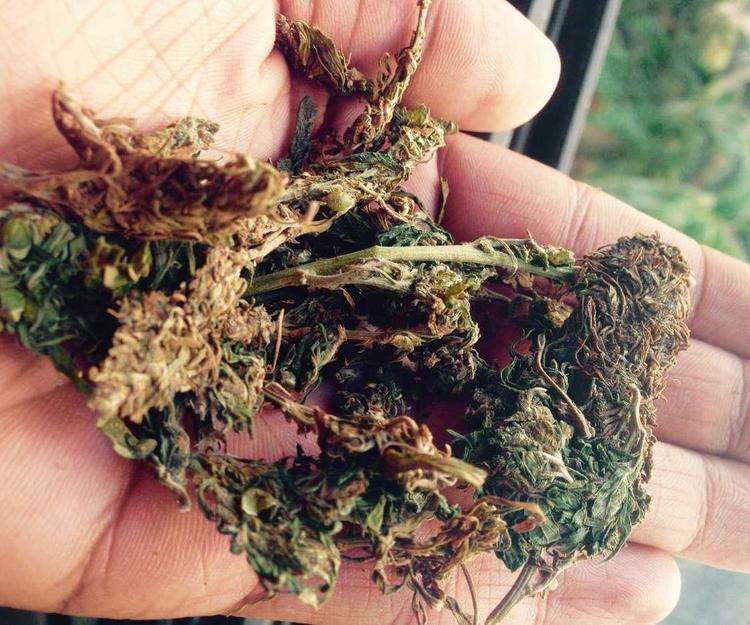
2. Idukki Gold, Kerala
The myth, the legend, the golden-green goodness. The original Idukki strain disappeared over time, but there’s new variations that are almost as good in Kerala.
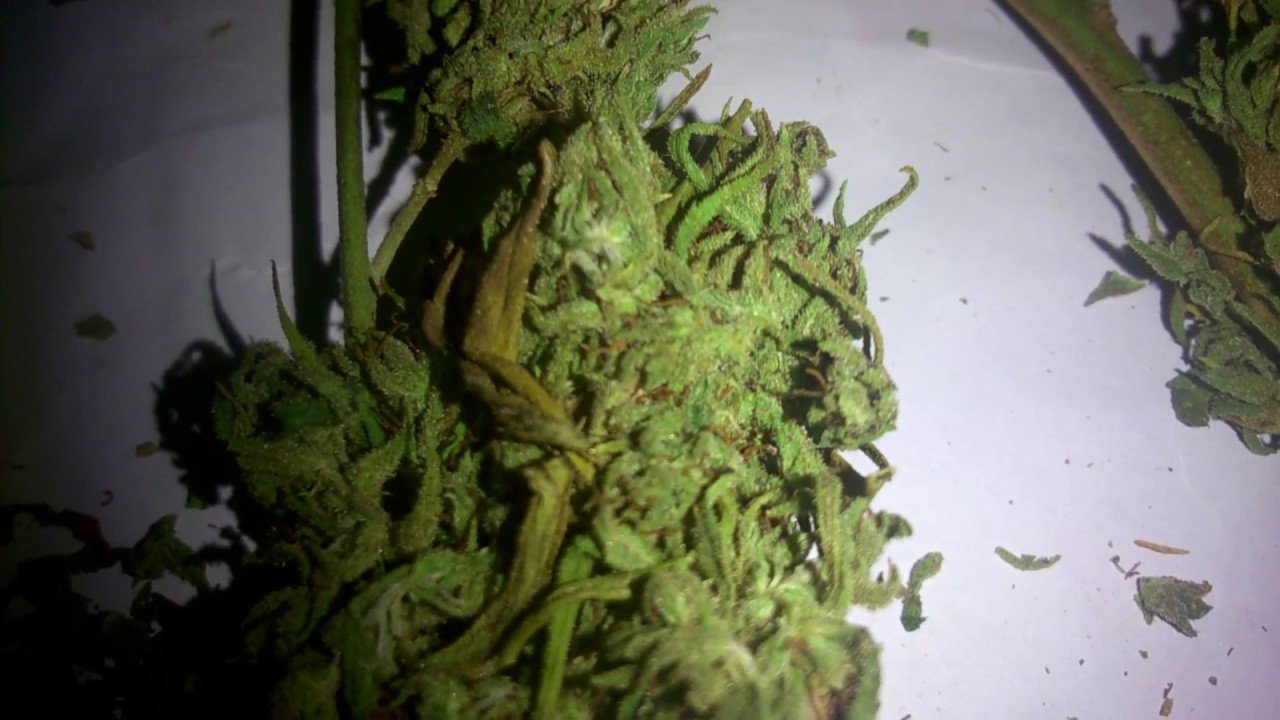
3. Shillong Mango, Meghalaya
Some of the cleanest weed in all of India can be found in Shillong. Combined with the serenity of Cherrapunji, it’s no wonder people are making a beeline for Meghalaya.
4. Magic Mushrooms, Tamil Nadu
Kodaikanal in the right season can be a transcendental experience, not just because of the availability of primo mushies but also the sheer natural beauty of the place.

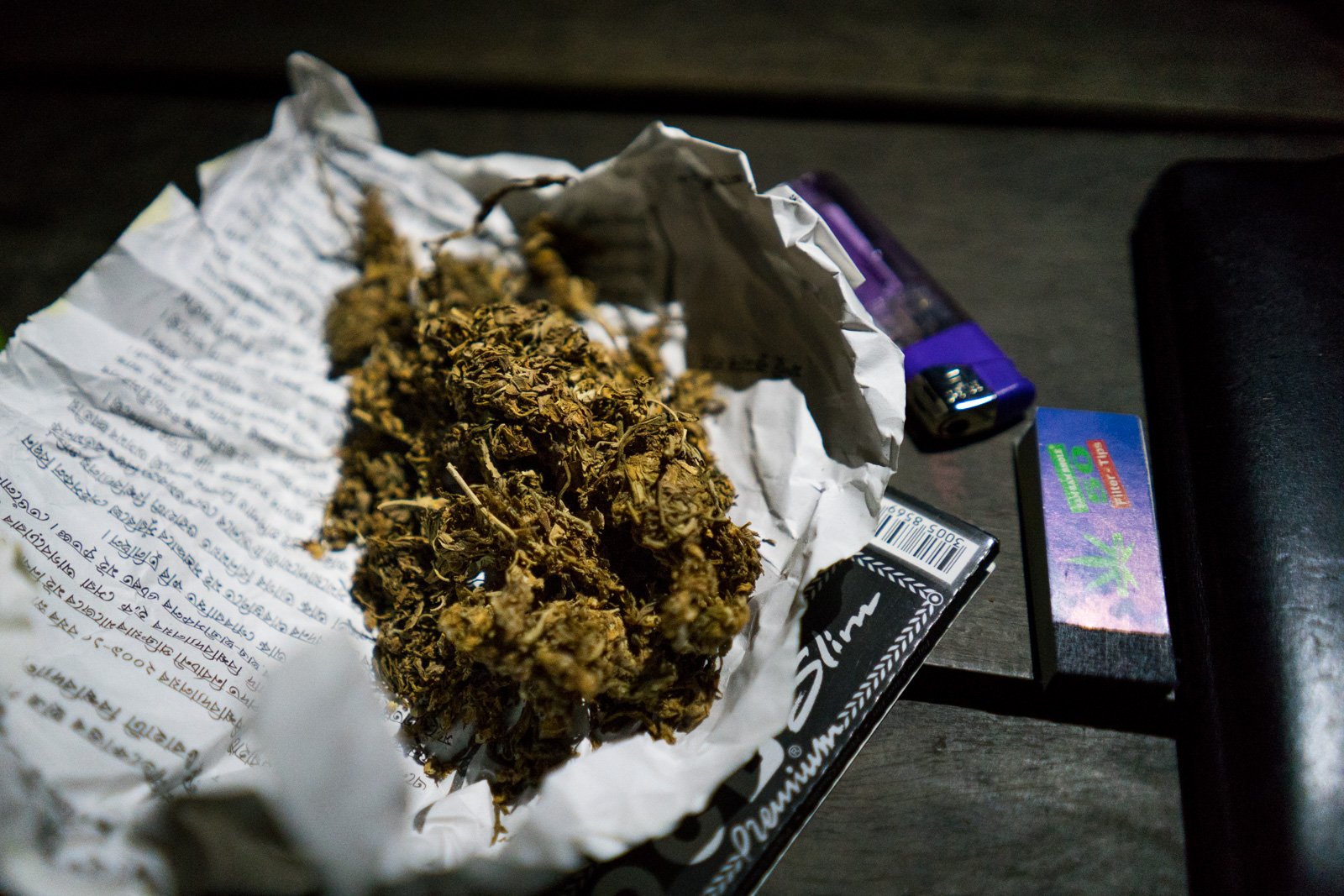
5. Golden Weed, Assam
Nice, clean Bhutanese weed is pretty easy to come by in Assam. It’s also super cheap (weed in India is actually pretty everywhere).
6. Jungla, available in most parts of Northern India
This mostly refers to hashish rubbed from cannabis that’s growing wild. It’s not very potent, but if it’s clean, it’s still very enjoyable.
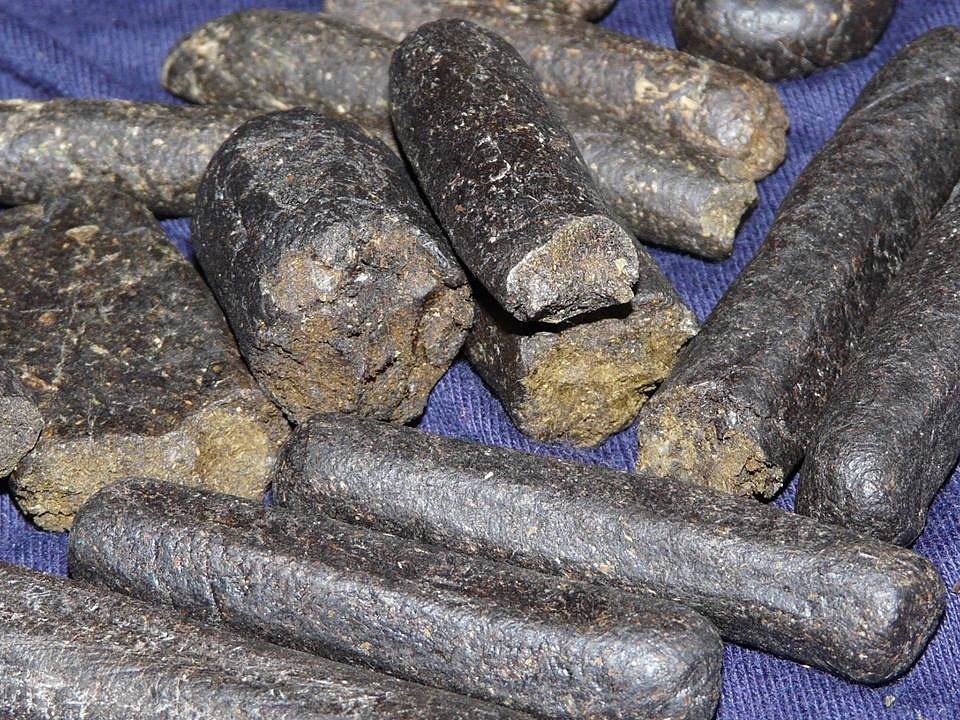
7. Super Cream, Himachal Pradesh
Usually refers to the hash produced from the first rub of a fully cultivated cannabis plant. Highly potent and pretty damn expensive too.
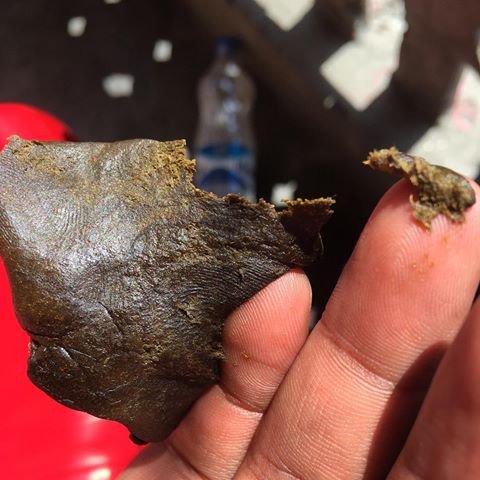
8. Malana Cream, Himachal Pradesh
The cream of the crop (pun intended), this is the stuff that’s made India famous among millions of cannabis enthusiasts. Found in the village of Malana in Himachal Pradesh, this is the charas piece de resistance.
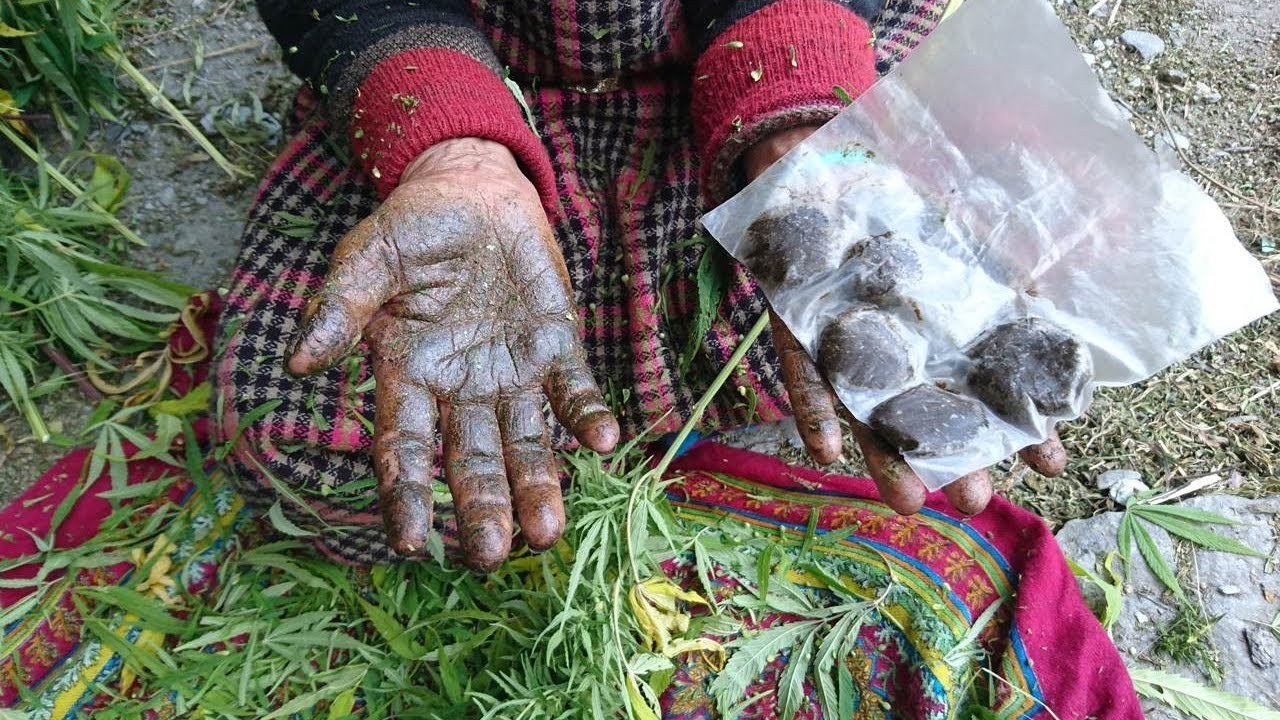
9. Manipuri Weed
Rs. 600 can get you a solid 30 gm of some really great and clean (if not professionally grown) weed in Manipur. The place is awash with the stuff anyway, sending out over 2000 kilos of it every day.

10. Bombay Black, Maharashtra
Boot polish. Gobar. And a little bit of sweat. You mash all that together with a few drops of rat poison and what you get is the notorious Bombay Black hash. Needless to say, stay the fuck away.

11. Gourbhanga Weed, West Bengal
Not the best, but not the worst either, and available in cheap abundance. This West Bengal village has a lot of green going out, mostly being consumed by the folks over at Kolkata.
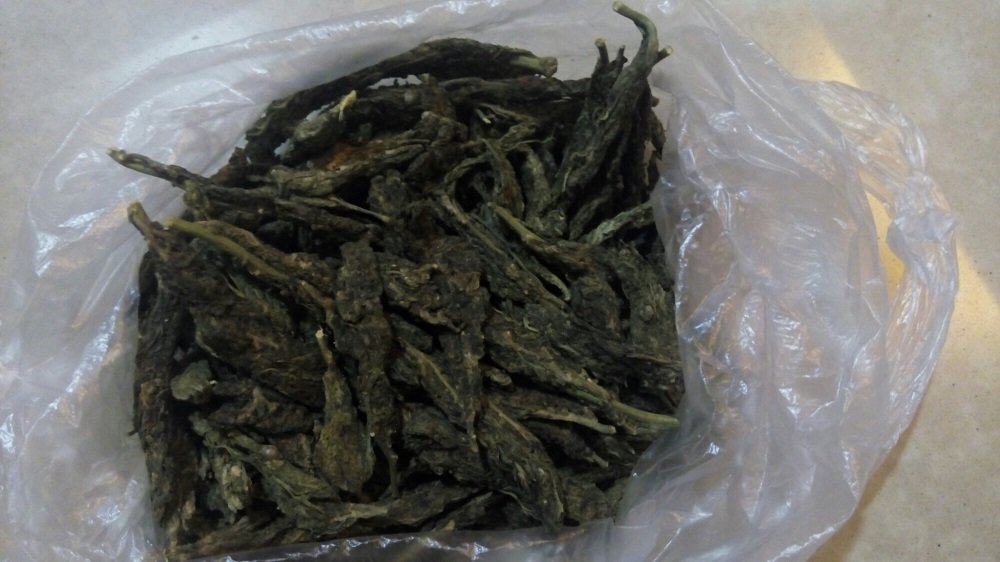
12. Afeem (Opium), available in most parts of India
While the original opiod is found in various parts of India and with varying purity, it mostly comes down all the way from Nagaland and Manipur. Both places faced a major opiod crisis some years prior.

13. Bhang, available in most parts of North India
Made by mashing up the leaves and seeds of the cannabis plant, bhang is typically consumed on Holi. Thandais, pakodas and any other manner of edible can be made.


 Psyindia
